About
Coach • Advisor • Architect
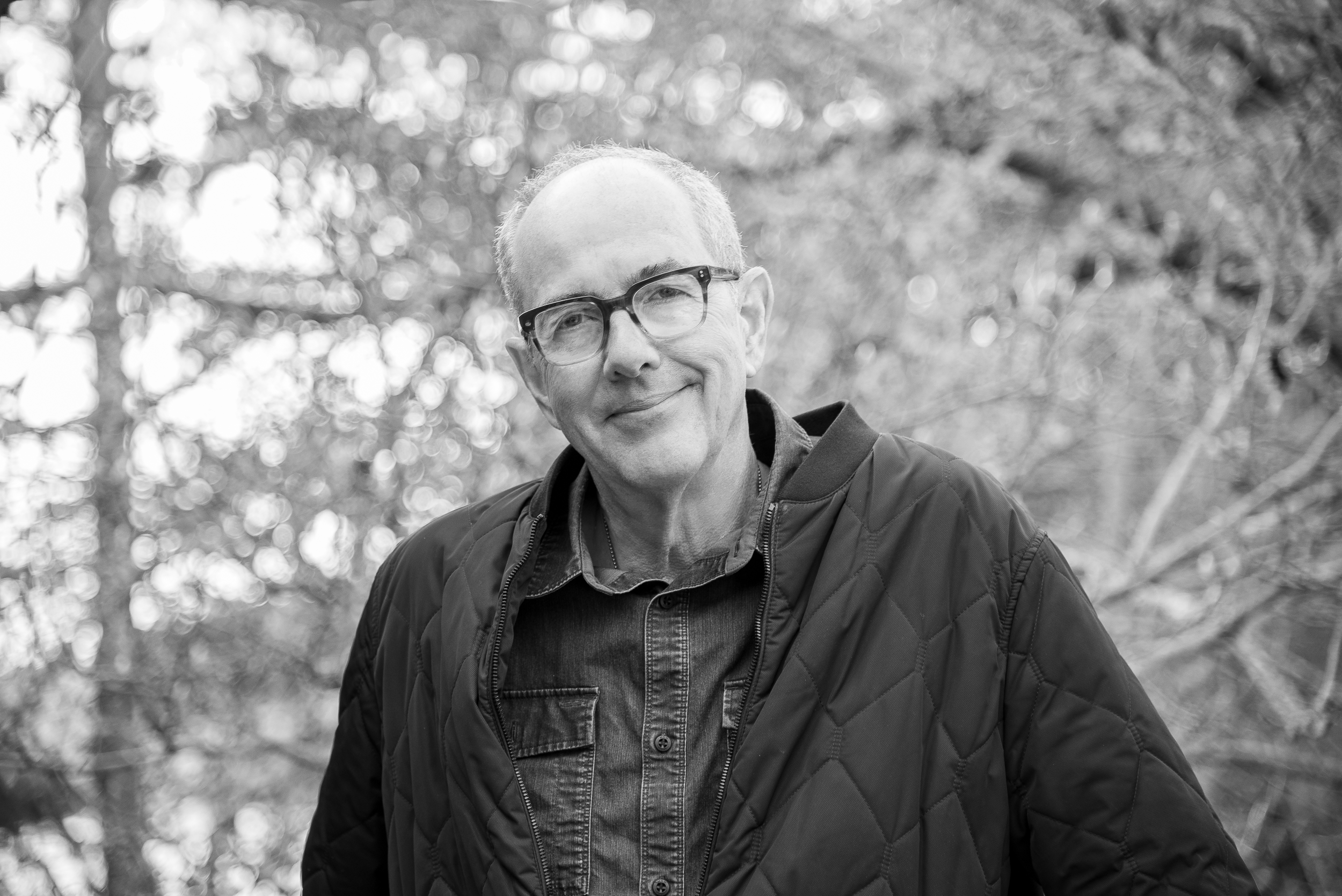
For more than four decades I worked as an architect, organizational advisor, and leader.
Architecture taught me more than how to design buildings. It taught me to pay close attention - to work with complexity, to listen for what wants to emerge, and to create conditions where something not yet visible can gradually take shape.
That way of seeing has remained constant, even as my work has evolved.
Today I work with experienced professionals and leaders who find themselves at a threshold. Sometimes the change is visible - a transition in work, leadership, or life. More often it begins quietly: a growing awareness that familiar ways of working, leading, or living no longer fit.
These moments rarely ask for better answers alone. They ask us to become different observers of ourselves and of the lives we are creating.
Together we create space for that kind of inquiry.
A quiet studio
The Quiet Studio is not simply a place. It is a way of working.
It is a setting apart from urgency and noise, where thoughtful conversation can unfold without the pressure to solve, perform, or decide too quickly.
Many who arrive here have accomplished much by the world's standards. Yet they sense that what brought them this far may not be what is needed for the chapter ahead.
Rather than rushing toward certainty, we slow down together - long enough for deeper clarity, renewed purpose, and a more authentic next step to emerge.
Who finds their way here
People rarely arrive because everything has fallen apart.
More often, life is working reasonably well. The career has been successful. Others may see someone who is accomplished, thoughtful, and capable.
Yet beneath the surface, something has begun to shift.
A question that won't go away.
A growing sense that familiar ways of working or leading no longer fit.
A desire for work that feels more aligned with one's values.
The recognition that the next chapter may ask not simply for new skills, but for a different way of seeing.
These moments are easy to dismiss or postpone. Yet they often carry the beginnings of something important.
I don't see them as problems to solve.
I see them as invitations to pause, to look more closely, and to discover what may be asking to emerge.
My role is not to tell you where to go next.
It is to create a space where you can hear more clearly what you already know, but have not yet been able to name.